دکتر محمد حیدری ملایری
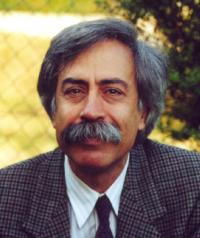
در نگاه اول به یاد زندهیاد خسرو شکیبایی میافتی. خیلی به هم شبیه هستند. چهرۀ صمیمی و مهربانی دارد. ساده است. ولی در پس همین سادگی، دریایی از علم است. چیز زیادی از او نمیدانم. فقط با جستجو در تارنمایش پی میبری که در پاریس زندگی میکند و استاد و صاحبنظر در علم اخترشناسی و اخترفیزیک است.
Dr. Mohammad Heydari-Malayeri is an astronomer (première classe) at Paris Observatory in France. His main field of research is the formation and evolution of massive stars
Mohammad was born in 1947 in Malayer... He lived there with his family until the age of eight. The starry night skies of Malayer were perhaps the seeds of his fascination with the stars. He was only 4-5 years old when he started learning poems of the great Iranian poets by heart. He lived in a large family with his great-grandfather, who had a passion for poetry and could recite hundreds of verses of Ferdowsi, Hafez, Khayyam, and Rumi from memory, even though he was in his 80s...
He obtained his B.Sc. in Physics from Tehran University in 1970 and did a compulsory two-year military service...
In 1975 he was awarded a scholarship by the French government to study astrophysics in France. He earned his Doctorat d'Etat in astrophysics at Paris VII University in 1983 after receiving his Doctorat de Troisième Cycle in astrophysics in 1979 at the same institution
استاد حیدری درکنار اخترشناسی عاشق زبان فارسی و ریشه شناسی و واژه شناسی است:
Outside astronomy Mohammad is interested in linguistics and etymology, especially scientific terminology. He has contributed to a scientific terminology system in Persian which, like Greek and Latin, is an Indo-European language. His method uses the roots, prefixes, and affixes to coin Persian counterparts for new technical words. If the necessary roots and affixes do not exist in modern Persian, he goes back to the middle and old Persian and Avestan as well as to Sanskrit, Greek, or Latin to retrieve them. The international terms are adopted and grammatically treated as Persian. The whole procedure is quite complex and the final results should comply with aesthetic criteria. He is now working on an English-Persian Dictionary of Astronomy and Astrophysics in which he proposes Persian equivalents for the latest astrophysical concepts and for classical terms as well.
نوشته های انگلیسی برگفته از تارنمای دکتر ملایری است. متن کامل را اینجا بخوانید.

آنچه من را مشتری این تارنما، یا به قول خود استاد حیدری، تاریست، کرد، تسلط مثالزدنی وی بر واژه و واژهشناسی است. شیفتۀ "فرهنگ ریشهشناختی اخترشناسی و اخترفیزیکِ" وی هستم. به همین بهانه میخواهم شما را هم مشتری این تارنما یکنم.
بیشتر از دوسالی میشود که این تارنما را میشناسم. از اخترشناسی و اخترفیزیک که چیزی سر در نمیآورم ولی مشتری "فرهنگ ریشهشناختی اخترشناسی و اخترفیزیکِ" استاد هستم. هرچند این فرهنگ تخصصی است و دربرگیرندۀ واژهها و برابرهای اخترشناسی است، ولی شیوۀ کار دکتر حیدری به گونهای است که میتوان ردّ واژهها را گرفت و گام به گام نحوۀ ساخت واژهای را، با استناد علمی و تاریخی، یاد گرفت. اطلاعات ریشهشناختی و واژهشناسی فراواتنی به خواننده میدهد. برای نمونه به درآیند (مدخل) observe توجه کنید:
نپاهیدن observe (v.) = nepâhidan
Fr.: observer
To watch carefully or note for a scientific or special purpose, e.g. to observe a star (astronomy), to observe the behavior of a patient (medicine, psychology), an animal (ethology, zoology), social groups (sociology), etc.
From O.Fr. observer, from L. observare "watch over, look to, attend to, guard," from ob "over" + servare "to watch, keep safe," from PIE base *ser- "to protect;" cf. Av. har- "to guard, observe, pay attention to," haraiti "guards, keeps," harətar- "protector, watcher," harəθra- "guarding, protection," hāra- "watched, guarded," Mod.Pers. zinhâr "beware!, mind!," Gk. heros "protector, hero."
Note 1: Observation is the most important basis of empirical sciences. All theories rely on observation, and must finally be supported by observational evidence. Persian, in contrast to European languages, lacks a distinct term that recognizes observation as a conceptual premiss of sciences. In astronomy the Ar. rasad (رصد) is currently used, while in classical astronomical texts the Pers. pâyidan (پاییدن) is used mainly by prominent figures like Biruni and Tusi. However, the term rasad is never used for cases outside astronomy. The situation for other sciences is not clear. Often one resorts to the Ar. loanword mošâhedé "to look at each other," which lacks ability to form derivatives. Therefore, here we suggest a term that can be used in all fields of knowledge.
Nepâhian, from ne- + pâhidan. The prefix ne- "down; into" (as in negâh "look, glance," negaristan "to view, look at," nešastan "to sit down," nemudan "to display") from O.Pers./Av. ni- "down, into;" cf. Skt. ni "down," nitaram "downward," Gk. neiothen "from below," cf. E. nether, O.E. niera, neoera "down, downwards, below, beneath," from P.Gmc. *nitheraz, Du. neder, Ger. nieder; PIE *ni- "down, below."
The second component pâhidan, variants pâyidan, pâsidan "to watch, observe, look steadily;" Mid.Pers. pây- "to protect, guard;" Sogdian p'y "to observe, protect, watch over;" O.Pers. pā- "to protect," pāta- "protected;" Av. pā- "to protect," pāti "guards," nipā(y)- (with ni-) "to watch, observe, guard," nipātar- "protector, watcher," nipāθri- "protectress;" cf. Skt. pā- "to protect, keep," tanû.pā- "protecting the body," paś.pā- "shepherd;" Gk. poma "lid, cover," poimen "shepherd;" L. pascere "to put out to graze," pastor "shepherd;" Lith. piemuo "shepherd;" PIE base *pā- "to protect, feed."
Note 2: Since pây-, pâyidan is used for → conserve (v.), we adopt the variant pâh-, pâhidan, which is extant in Lâri and Gerâši dialects; cf. Gilaki pâstan, pâssan "to guard, pay attention." In fact the interchange of phonemes h, i and s is not rare in Indo-European languages.
Note 3: Examples of pâyidan "to observe" in astronomy, from Biruni's al-Tafhim (written c. 1029 A.D.)
p. 313: و بپای ارتفاع آ فتاب را.
p. 64: و بپای تا بدایره اندر آید.
Note 4: As indicated above, nepâh- exists in Av. as nipāy- "to watch, protect."
نپاهیده observed = nepâhidé
نپاهنده، نپاهشگر، نپاهگر observer = nepâhandé, nepâhešgar, nepâhgar
قفس ِ نپاهگر، ~ نپاهنده observer's cage = qafas-e nepâhgar, ~ nepâhandé
نپاهشگاه observatory = nepâhešgâh
سفر خوبی به دنیای واژگان بود، نه؟ پر از نکتههای آموزشی است. این تنها یکی از درآیندهاست. فرهنگ برخط تاریست فعلن تا پایان حرف Q را در برمیگیرد. که بقیۀ حروف نیز کمکم اضافه خواهند شد. همینجا اشاره بکنم که این فرهنگ پیشتر به صورت کتاب در ایران چاپ شده است. متأسفانه هیچ خبری از شناسنامۀ آن ندارم!
از دوستداران و علاقهمندان به اخترشناسی، اخترفیزیک، واژهشناسی، واژهسازی، و... دعوت میشود به تاریست دکتر حیدری سر بزنند و کمال استفاده را ببرند.